What Are Head-Smashed-In Buffalo Jump Photos (and What Do They Actually Show)?
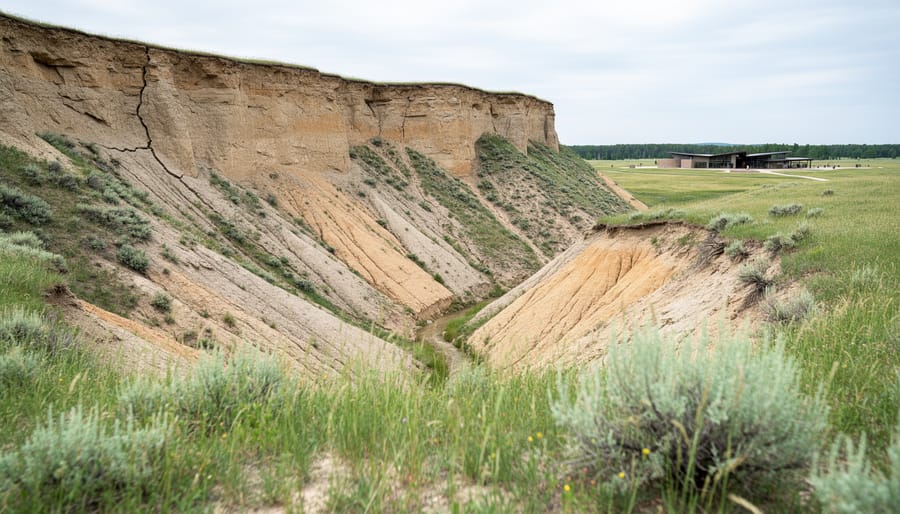
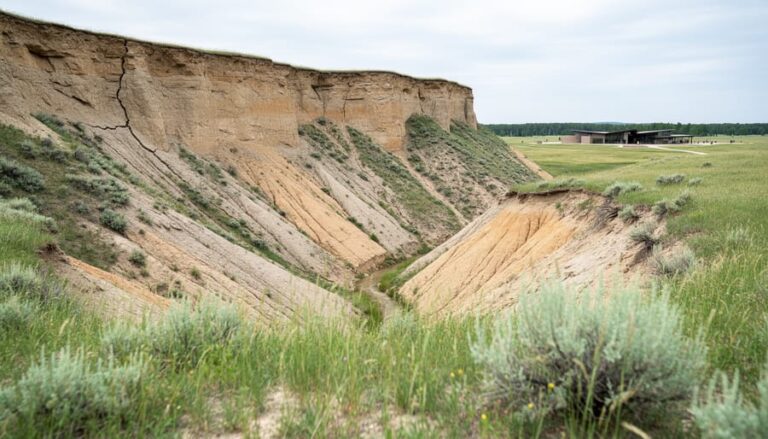
Head-smashed-in buffalo jump photos show one of the oldest and best-preserved bison hunting sites in the world, a cliff and kill site in southern Alberta…
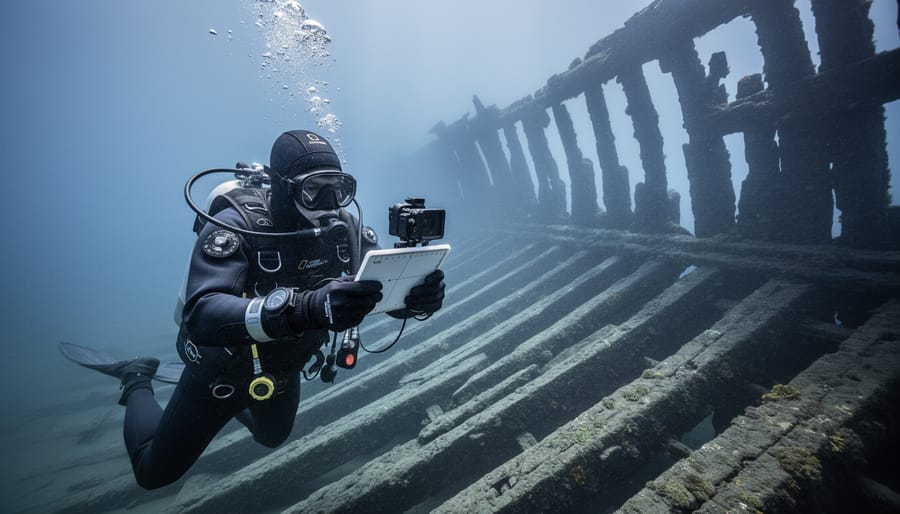
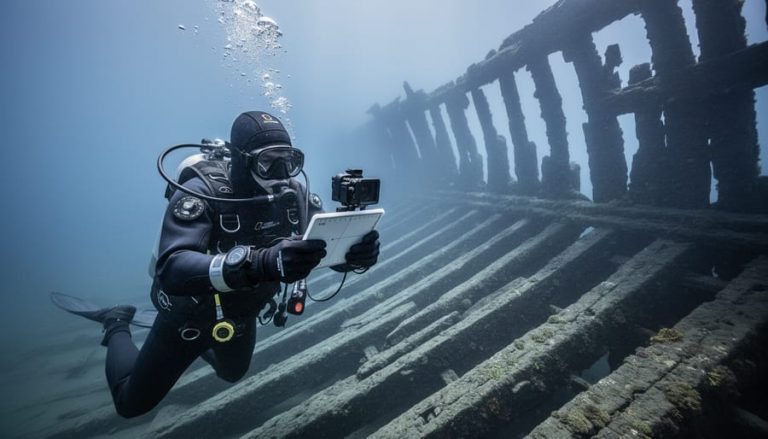
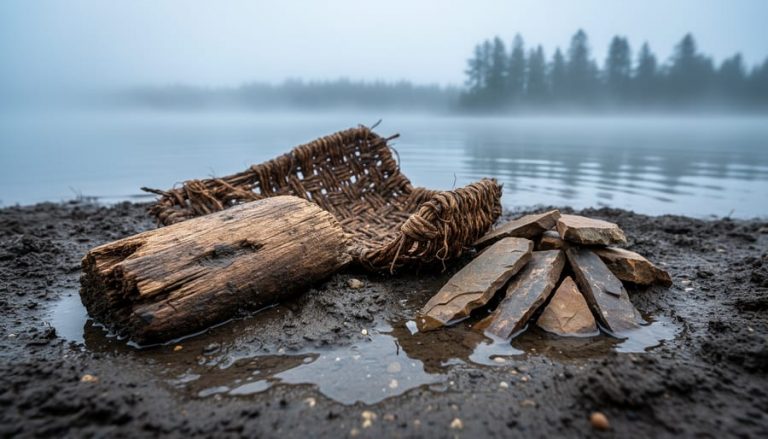
Underwater archaeologists recover and interpret submerged cultural heritage by diving to shipwrecks, flooded settlements, and drowned landscapes, combining fieldwork techniques from both traditional archaeology and commercial diving. These specialists document wooden hull fragments in frigid Great Lakes waters, map 18th-century French colonial sites along the St. Lawrence, and excavate Indigenous fishing weirs submerged for thousands of years off Canada’s coasts. The work demands advanced scuba certifications, meticulous recording under time and visibility …
In 1960, Norwegian explorer Helge Ingstad and archaeologist Anne Stine Ingstad unearthed evidence that would rewrite North American history: L’Anse aux Meadows a Viking settlement on Newfoundland’s northern tip that proved Norse seafarers reached Canada around 1000 CE, nearly 500 years before Columbus. The discovery transformed longstanding assumptions about early transatlantic exploration and validated centuries-old Icelandic sagas that scholars had dismissed as myth.
This remote …
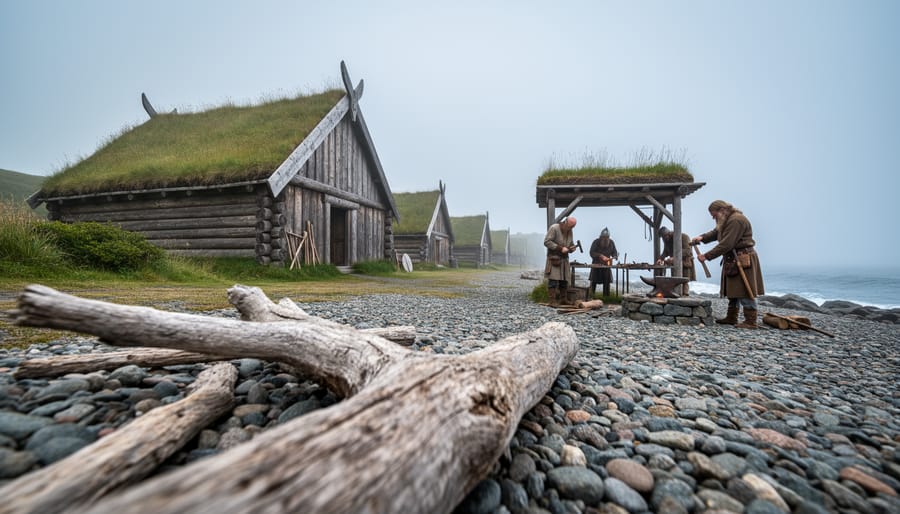
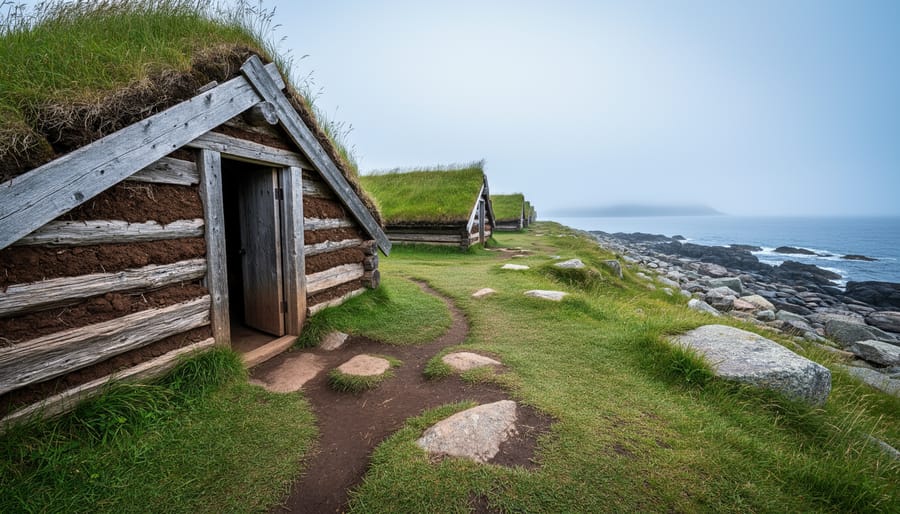
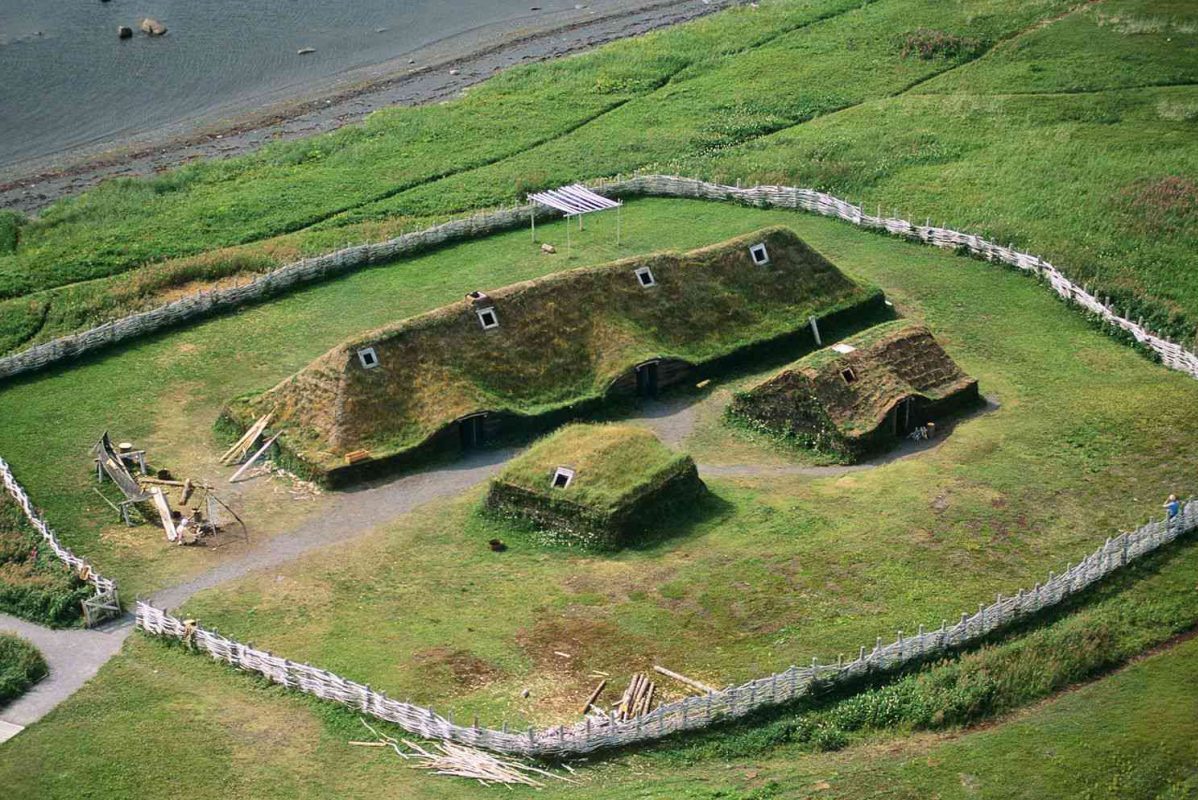
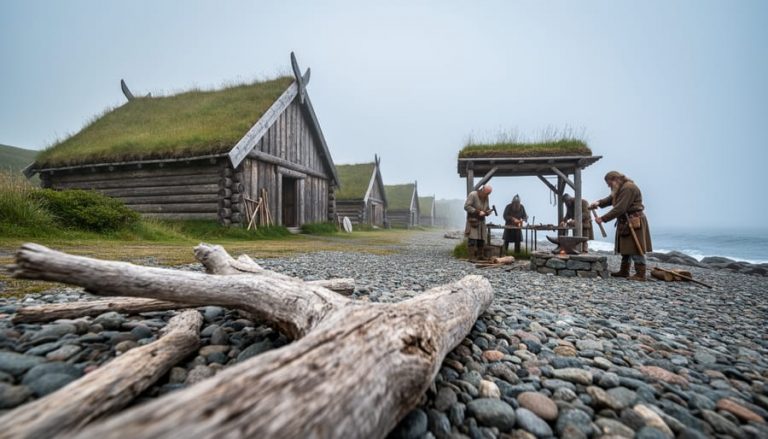
Around the year 1000 CE, Norse voyagers from Greenland built the first European settlement in North America at what we now call the L’Anse aux Meadows site on Newfoundland’s northern tip. This Norse settlement in Newfoundland predates Columbus by nearly 500 years, rewriting the narrative of transatlantic contact and proving that Viking sagas describing lands west of Greenland weren’t mere mythology.
The discovery of this settlement in 1960 by Norwegian explorer Helge Ingstad and …
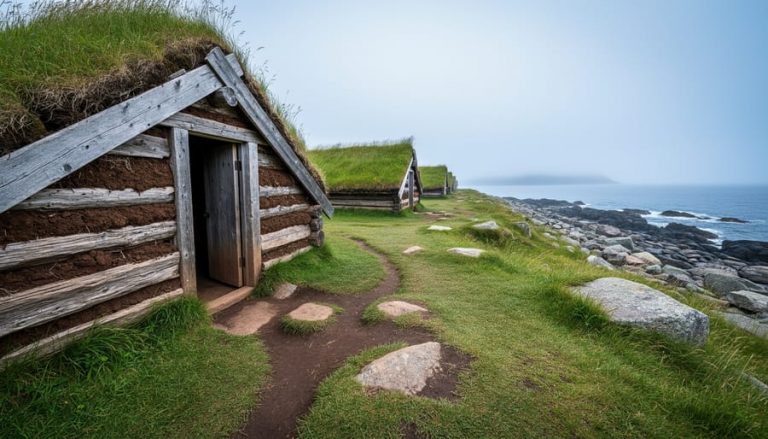
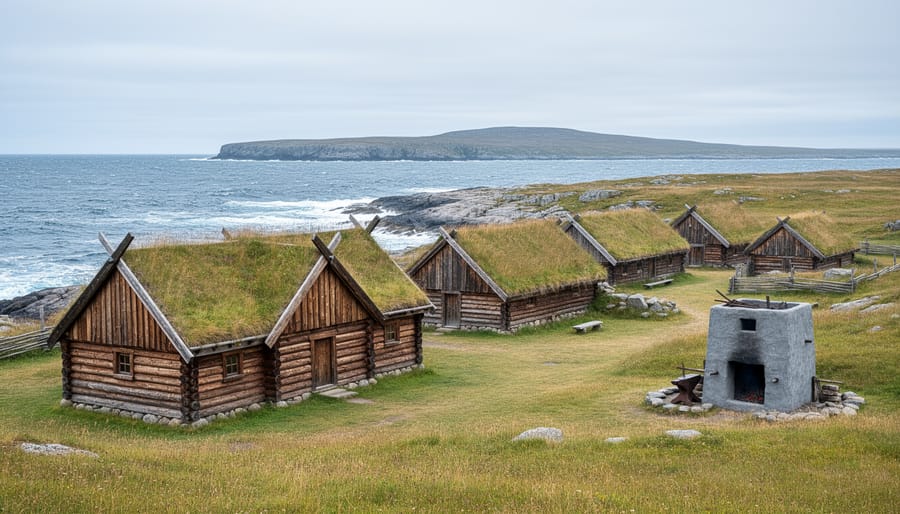
L’Anse aux Meadows National Historic Site stands as the only confirmed Norse settlement in North America, a windswept collection of reconstructed sod buildings on Newfoundland’s northern tip where Vikings established a foothold roughly 500 years before Columbus. If you’re planning a visit in 2026, expect a journey to one of Canada’s most remote UNESCO World Heritage Sites, accessible via a scenic four-hour drive from the Viking Trail or a …
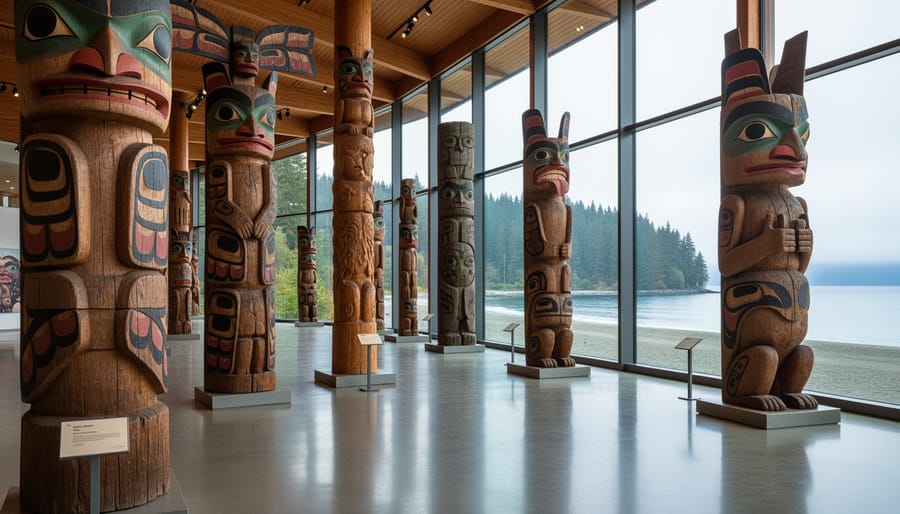
Vancouver’s museum landscape rivals any major Canadian city, housing collections that span 10,000 years of Pacific Northwest heritage alongside world-class contemporary exhibitions. The Museum of Anthropology at UBC alone preserves over 535,000 archaeological objects, including the world’s most comprehensive collection of Northwest Coast First Nations artifacts. Meanwhile, Science World’s distinctive geodesic dome has welcomed over 20 million visitors since 1986, making it one of Canada’s most visited science centers.
These institutions matter beyond their architectural presence. The Museum of Vancouver …
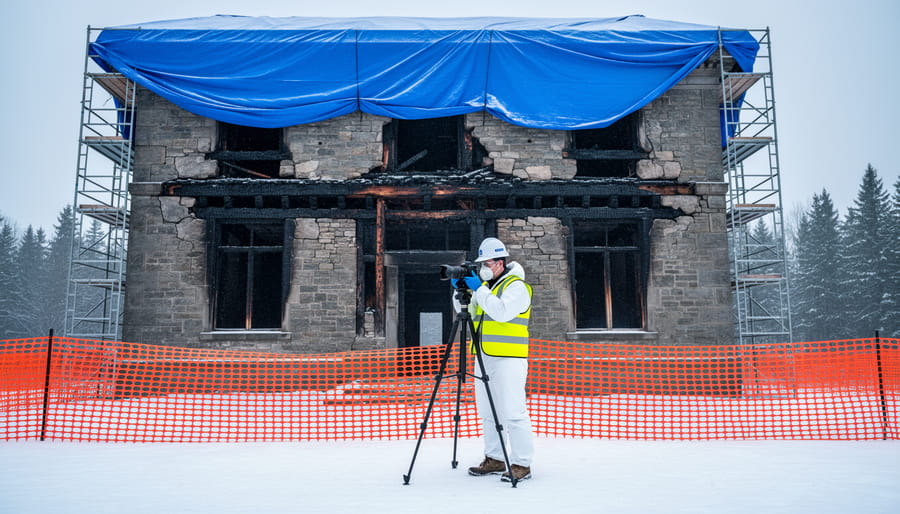
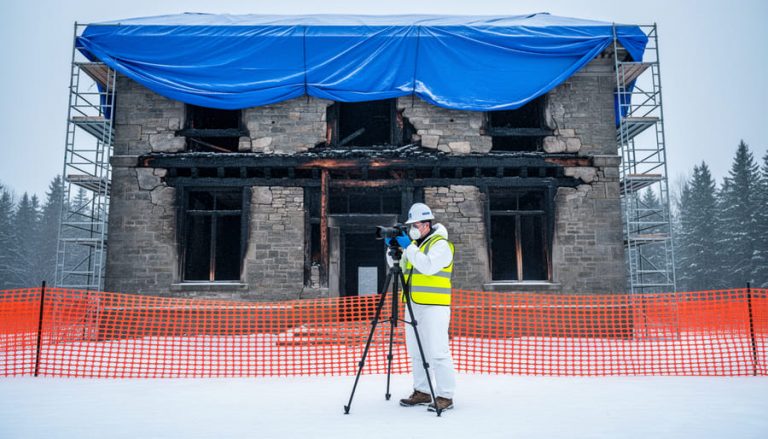
When flames consume a heritage building, the race to preserve Canada’s cultural memory begins within hours. Secure the site perimeter immediately with temporary fencing and weatherproof tarps to prevent further deterioration from rain, snow, and unauthorized access. Document everything through comprehensive photography and video before anyone disturbs the scene—these records become essential references for architects, conservators, and insurance assessors throughout the restoration journey.
Engage a heritage conservation specialist within 48 hours who understands period-specific construction methods, as standard contractors …
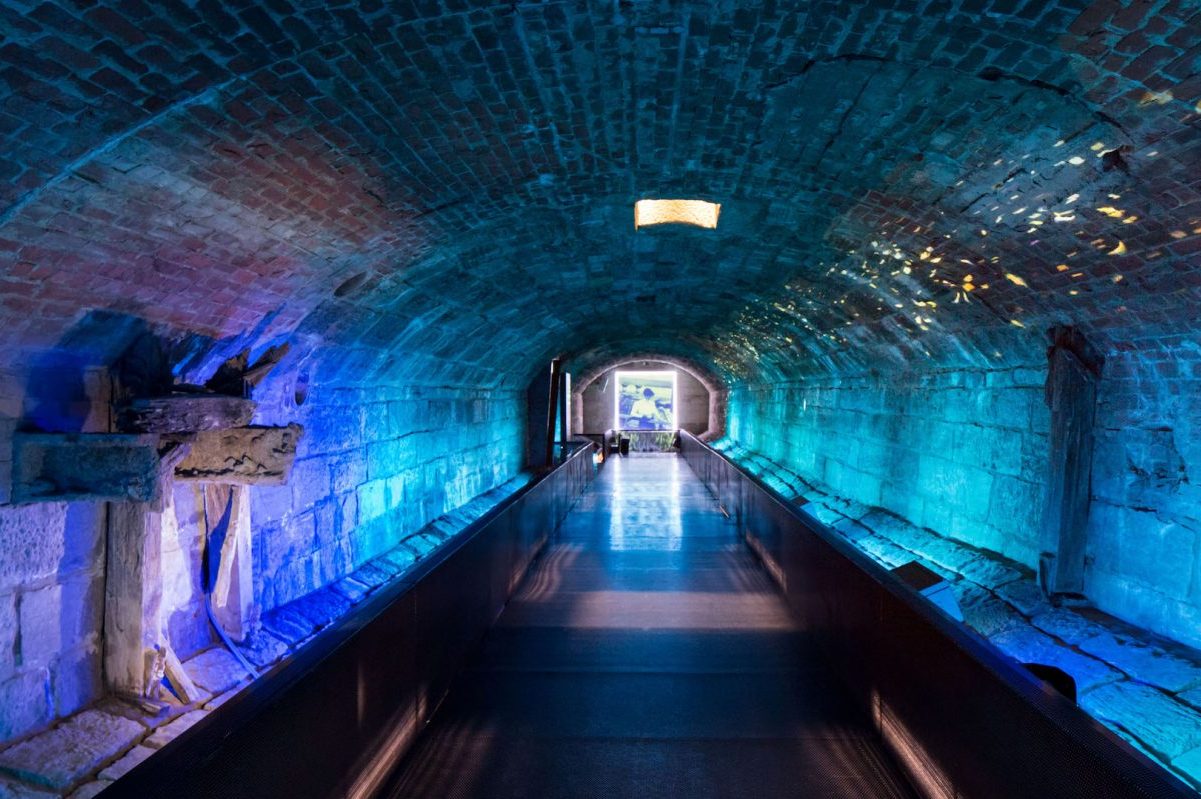
Pointe-à-Callière, a national archeological and historical site, depicts thousands of years of history from the First Peoples’ settlements to the present. The museum is on Montréal’s founding site and has been occupied by humans for over a thousand years. It is abode to some magnificent architectural ruins that are displayed on site.
A Historically Significant Museum
Until the Museum’s opening, only geographers knew about such a point, named after Louis Hector de Callière, the 3rd governor of Montr…
L’Anse aux Meadows, also known as Meadows Cove, is an archaeological site, first excavated in the 1960s, of a Norse settlement dating to approximately 1,000 years ago. The name L’Anse aux Meadows translates as “Grassland Bay” in French-English.
Managed by Parks Canada under the Canada National Parks Act of 2000 and the Parks Canada Agency Act of 1998, this site was named a National Historic Site of Canada in 1968 and a UNESCO World Heritage Site in 1978.
Where is the Meadow Cove Located…
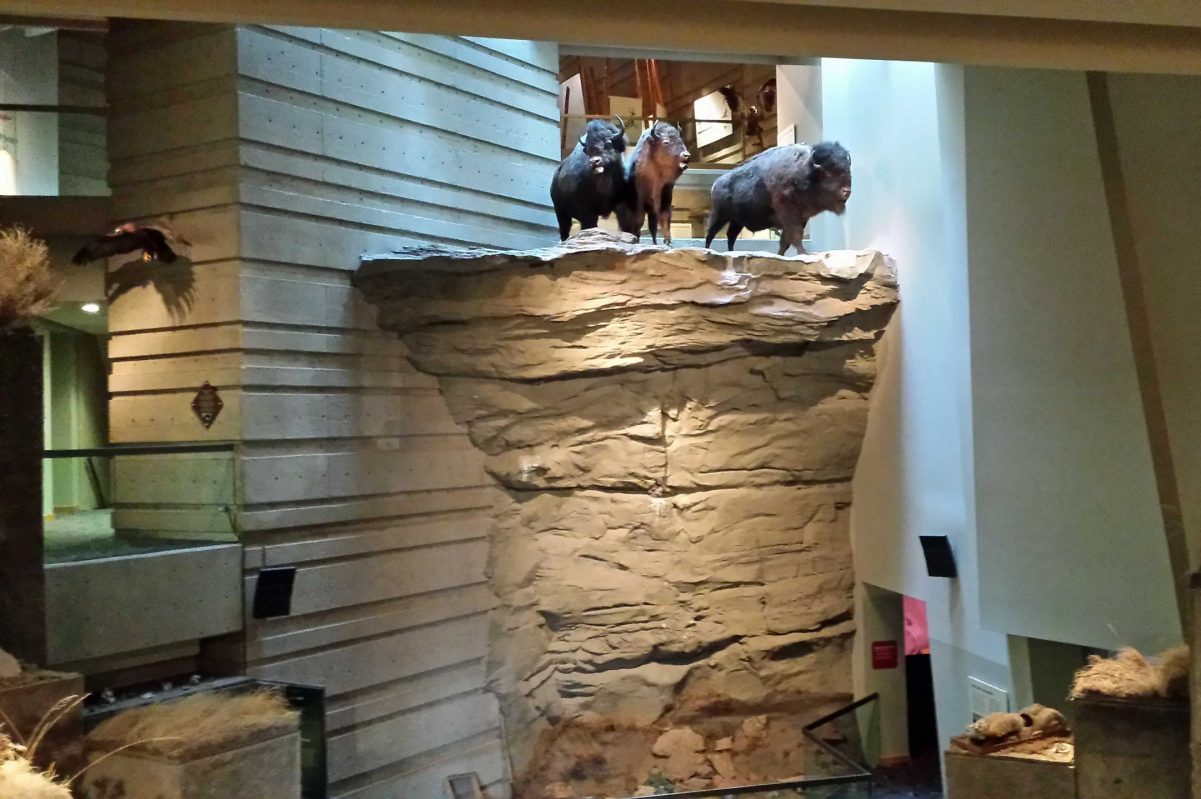
The Head-Smashed-In Buffalo Jump, also known as the Bison Jump, is a UNESCO World Heritage Site and home to a museum dedicated to Blackfoot heritage.
It is located in southern Alberta, Canada, and is a representation of the Plains people’s communal hunting techniques and way of life. It is the Americas’ oldest and best-preserved site, with undisturbed stratification layer upon layer of bone and cultural deposits, drive lanes, the cliff face, and butchering camps.
It was utilized for over five millennia…