
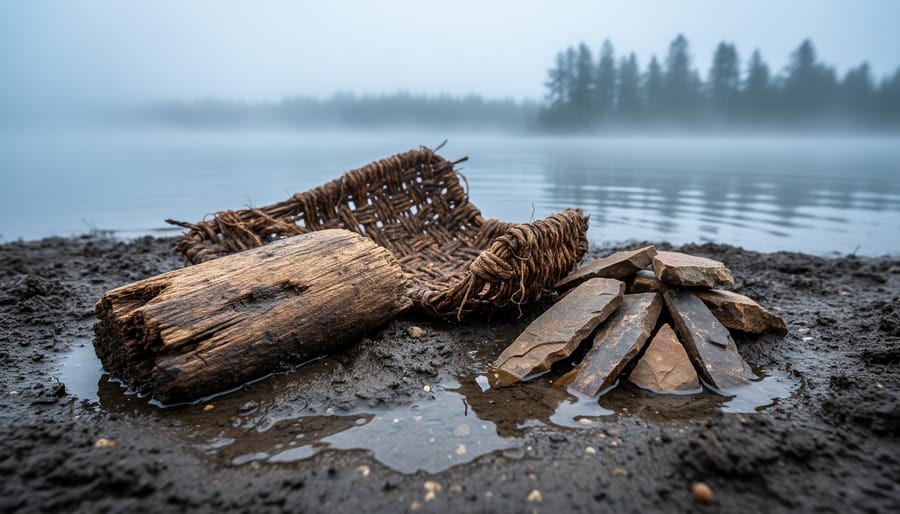
Lake Williams, a quiet body of water near the city of Williams Lake in British Columbia’s Cariboo region, became one of Canada’s most important archaeological sites in 2018 when excavation teams uncovered evidence of continuous Indigenous occupation spanning more than 7,000 years. The discoveries, led by archaeologists from the University of British Columbia in partnership with the Secwépemc Nation, revealed an extraordinary record of pre-contact life in the Interior Plateau, including stone tool workshops, seasonal fishing camps, and remarkably preserved organic materials that offer rare insights into ancient technologies and trade networks.
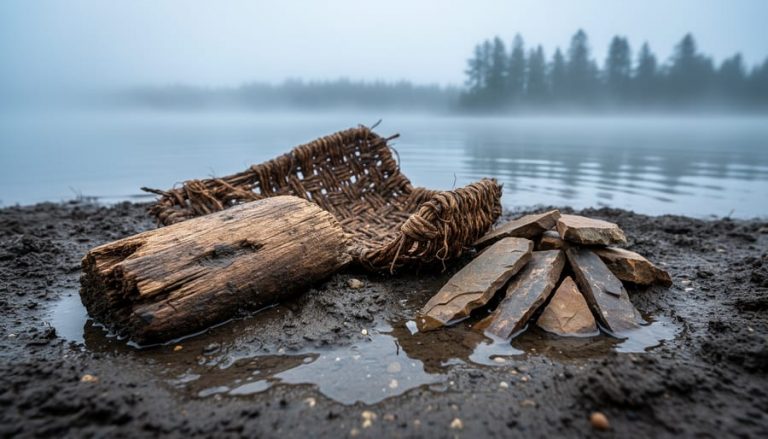
What makes Lake Williams exceptional isn’t just the age of the artifacts, but their context. The site preserves layer upon layer of cultural deposits in waterlogged sediments, conditions that allowed wooden implements, woven baskets, and plant remains to survive millennia. These perishable materials rarely endure in Canadian archaeological sites, making Lake Williams comparable in significance to much older European wetland discoveries. For researchers studying the development of sophisticated resource management practices by Interior Salish peoples, the site provides evidence that challenges earlier assumptions about the timeline of cultural complexity in the region.
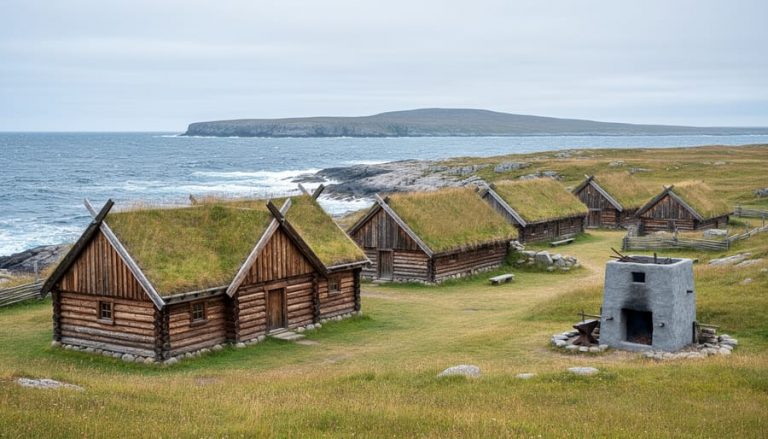
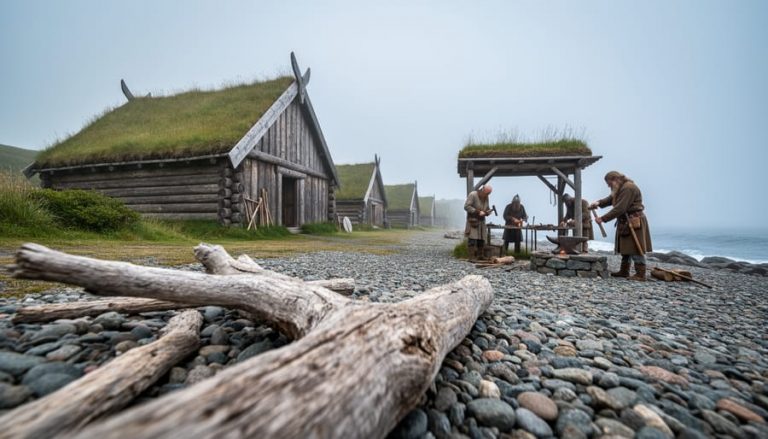
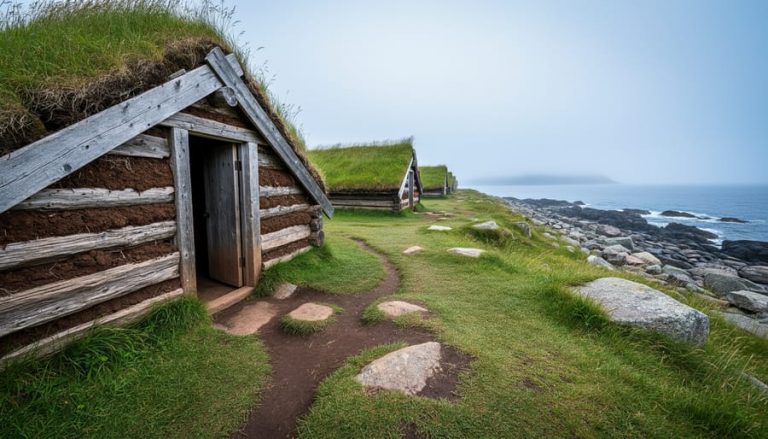
The findings also connect to broader stories of early human movement across the Americas. While coastal routes have dominated discussions about how people first reached the continent, much like the later Norse arrivals documented at Vikings in North America the Lake Williams assemblage demonstrates that interior corridors supported thriving, innovative communities for thousands of years. Today, visitors can explore both the ongoing research and the cultural legacy through museum exhibits, guided tours with Secwépemc knowledge keepers, and carefully managed access to the landscape itself.
The Discovery: How Williams Lake Became an Archaeological Hotspot
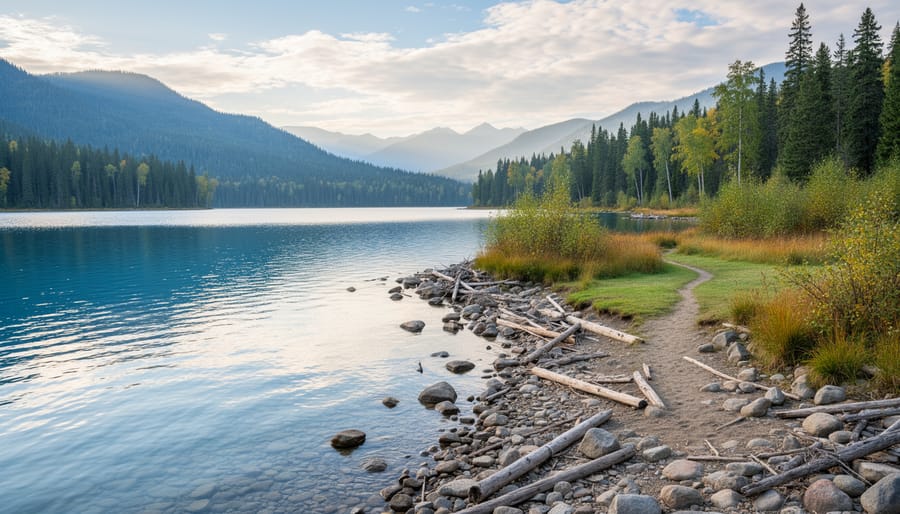
The first hints that Williams Lake harbored extraordinary archaeological wealth emerged almost by accident in the spring of 1998. During routine environmental assessment work for a proposed recreational development along the lake’s northeastern shore, a provincial surveyor noticed unusual stone formations protruding from an eroded riverbank. The patterns didn’t match natural geology, and when she reported her observations to the British Columbia Archaeology Branch, it triggered a preliminary investigation that would fundamentally change our understanding of human occupation in the Cariboo region.
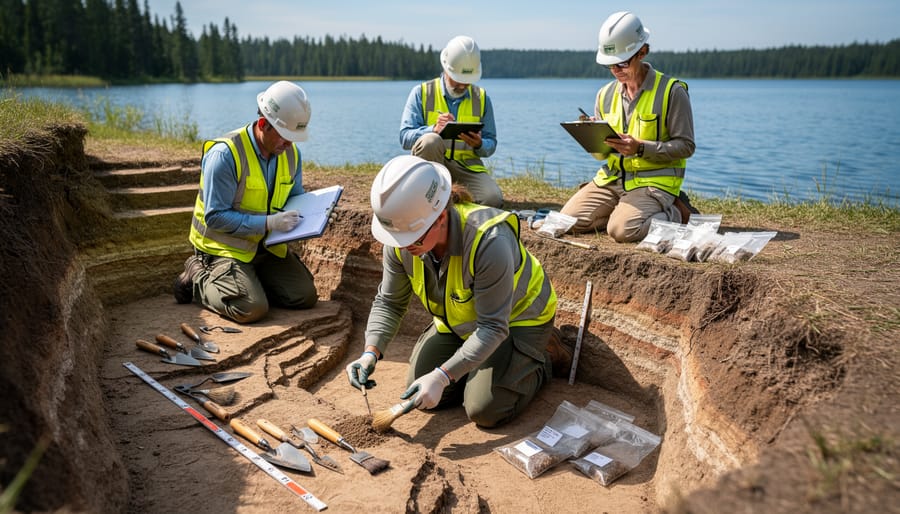
Within months, a small team from the University of British Columbia arrived to conduct test excavations. What they found in those initial trenches exceeded all expectations: stratified deposits containing stone tools, fire-cracked rock, and charcoal layers that extended more than two meters below the surface. Radiocarbon dating of the deepest charcoal samples returned dates of approximately 8,200 years before present, pushing back the timeline of continuous habitation in this area by millennia.
The moment we realized we were looking at nearly continuous occupation spanning eight thousand years, we understood this site would rewrite the prehistory of interior British Columbia.
This revelation prompted a larger, more systematic excavation beginning in 2000, funded jointly by the Social Sciences and Humanities Research Council and the provincial government. Critically, this expanded project was designed from the outset as a collaborative effort. Representatives from the Northern Shuswap Tribal Council joined the research team as equal partners, contributing traditional knowledge that proved invaluable in interpreting the archaeological record.
The collaboration model established at Williams Lake became a template for respectful archaeological practice in British Columbia. Secwépemc Elders worked alongside university researchers, identifying culturally significant artifacts and ensuring excavation methods respected traditional protocols. Local authorities in Williams Lake provided logistical support and helped establish protected zones around the most sensitive areas.
By 2005, the Williams Lake excavations had produced over 15,000 catalogued artifacts and transformed a quiet lakeside location into one of Canada’s most important archaeological research sites. The work continues today, with each field season revealing new layers of this remarkable human story.
Unearthing Millennia: Key Artifacts and What They Tell Us
Stone Tools and Lithic Technology
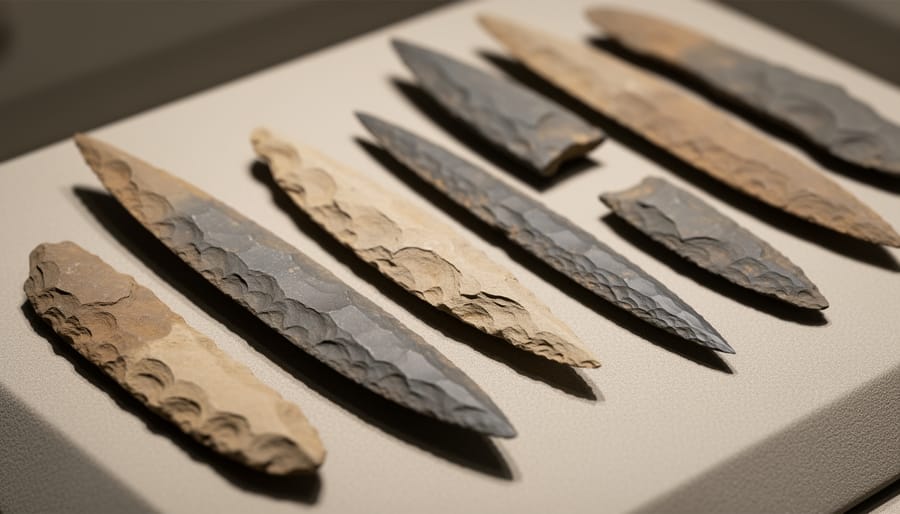
The stone tools recovered from Williams Lake excavations paint a remarkably detailed picture of technological innovation stretching back roughly 8,000 years. Archaeologists have catalogued hundreds of projectile points, scrapers, and cutting implements fashioned from local basalt and chert, alongside rarer obsidian pieces that traveled hundreds of kilometers from volcanic sources.
The projectile points show a clear evolution in design. Early specimens feature broad, stemmed bases characteristic of the Middle Period (approximately 7,500 to 3,500 years ago), while later arrowheads display the refined notching and barbed edges that improved hunting efficiency dramatically. This progression mirrors technological shifts documented across the Interior Plateau, suggesting Williams Lake communities participated in broader cultural exchanges.
What’s particularly revealing is the debitage, the flakes and chips left behind during tool manufacture. Analysis of these workshops areas shows craftspeople selected specific stone types for distinct purposes. Basalt served for heavy-duty tasks like hide processing, while fine-grained chert enabled the precision work needed for delicate projectile points. The presence of obsidian fragments, sourced from locations as distant as Mount Edziza 600 kilometers north, confirms Williams Lake sat within extensive trade networks.
Some tools bear distinctive wear patterns consistent with salmon processing, matching the seasonal fishing cycles described in Secwépemc oral histories. Others show evidence of hafting, attachment to wooden handles using plant resins, demonstrating sophisticated composite tool construction.
These lithic assemblages reveal communities that weren’t merely surviving but thriving, developing specialized technologies and maintaining far-reaching connections across British Columbia’s interior for millennia before European contact.
Organic Remains and Dietary Evidence
The preserved organic materials recovered from Williams Lake offer an intimate window into daily life thousands of years ago. Unlike stone tools that reveal technological capabilities, these fragile remnants, bone fragments, fish remains, and botanical specimens, tell us what people ate, when they lived here, and how they adapted to the Cariboo’s changing seasons.
Fish bones dominate the organic assemblage, particularly salmon vertebrae and cranial elements. The abundance of salmon remains confirms what Secwépemc oral traditions have long emphasized: these waters were vital spawning grounds and gathering places during late summer and fall runs. Cut marks on vertebrae and the strategic placement of fish processing debris indicate systematic preservation techniques, likely smoking and drying for winter stores.
The species identified paint a detailed picture of the lake’s ancient ecosystem and human subsistence patterns:
- Chinook and sockeye salmon, primary staple fish harvested during seasonal runs
- Rainbow trout and kokanee, year-round supplementary protein sources
- Deer and elk bones, evidence of winter hunting camps and meat processing
- Beaver remains, valued for both meat and pelts in colder months
- Charred pine nuts and root vegetables, critical plant-based calories
Seasonal occupation becomes clear when examining bone weathering patterns and the ratio of juvenile to adult fish specimens. Summer encampments focused on salmon harvesting, while scattered winter evidence suggests smaller groups maintained camps for ice fishing and mammal hunting. The presence of fire-cracked cooking stones alongside charred plant remains reveals sophisticated food preparation methods, including earth oven cooking that maximized nutritional extraction from roots and tubers during lean winter months.
Cultural Materials and Ceremonial Objects
Among the most captivating finds at Williams Lake are the cultural materials that illuminate the spiritual and social dimensions of past communities. Excavators have recovered intricately carved bone pendants, denoting status or clan affiliation, alongside stone pipes that suggest ceremonial tobacco use dating back several hundred years. These objects reveal sophisticated artistic traditions and hint at complex belief systems that governed daily life.
Particularly significant are the ochre-painted burial goods found in association with human remains, indicating deliberate mortuary practices. The red pigment, sourced from iron oxide deposits miles away, demonstrates both symbolic importance and extensive trade connections. Small carved figurines and decorated spindle whorls point to gendered labor divisions and the cultural value placed on textile production.
Evidence of ritual activity appears in the form of carefully arranged stone features and concentrations of fire-cracked rock, likely associated with sweat lodge ceremonies that remain central to Secwépemc spiritual practice today. Unlike some coastal sites where early European contact artifacts dominate, or excavations in eastern Canada where Vikings reached first Williams Lake’s ceremonial materials reflect primarily Indigenous traditions spanning millennia with minimal colonial influence until the mid-1800s.
Shell beads from distant Pacific sources and exotic stone types not native to the Cariboo suggest Williams Lake was a gathering place for trade and ceremony, where groups from different regions met to exchange goods and participate in shared spiritual observances. These objects collectively paint a picture of vibrant cultural life centered on this important landscape.
Indigenous Perspectives: Oral Histories Meet Archaeological Evidence
For the Secwépemc Nation, the land around Williams Lake has never been just a location, it’s a living archive of ancestral presence stretching back countless generations. When archaeologists began uncovering stone tools and seasonal camps along the lakeshore, Secwépemc elders recognized patterns their oral traditions had preserved for millennia: stories of family groups returning each summer to fish, harvest, and gather in places their grandparents’ grandparents had done the same.
This convergence of evidence represents a fundamental shift in how archaeological work proceeds in British Columbia. Unlike early excavations that treated Indigenous knowledge as folklore separate from “real” science, contemporary research at Williams Lake operates through true partnership. Secwépemc cultural advisors work alongside archaeologists from the project’s planning stages, identifying sensitive areas, interpreting findings through cultural lenses, and ensuring that ancestral remains and sacred objects receive appropriate protocols.
The results have been revelatory. When excavators found concentrations of fire-cracked rock in specific shoreline zones, Secwépemc knowledge-keepers explained these as remnants of pit-cooking sites used during salmon runs, a practice their oral histories describe in precise detail, including seasonal timing and family territories. Radiocarbon dating confirmed occupations spanning 4,500 years in exactly the locations traditional stories indicated, validating what Western science had often dismissed.
This collaborative model differs markedly from the extractive archaeology that characterized earlier periods, much like how respectful engagement with Indigenous history applies to sites ranging from Williams Lake to the Norse settlement investigations in Newfoundland. Here, research questions emerge from community priorities as much as academic curiosity. Secwépemc youth participate in field schools, learning both archaeological methods and traditional ecological knowledge from elders who visit excavation sites.
The approach has practical implications beyond cultural respect. Indigenous land-use patterns, preserved in oral tradition, help archaeologists predict where undiscovered sites might exist, knowledge that satellite imagery and ground surveys alone cannot provide. When excavators found a cache of specialized fishing implements, Secwépemc advisors identified them as tools for a specific weir-building technique their ancestors developed for the lake’s unique conditions.
Perhaps most significantly, Indigenous involvement ensures that artifacts don’t simply end up in museum storage. Community consultation determines which objects remain in collections for public education, which return to families, and which stay undisturbed where ancestors placed them. This framework recognizes that these aren’t just archaeological specimens, they’re family heirlooms with living descendants who hold legitimate authority over their interpretation and care.
Visiting Williams Lake: Where to Experience the Discoveries
Museum of the Cariboo Chilcotin
The Museum of the Cariboo Chilcotin houses the region’s most comprehensive collection of artifacts from Williams Lake excavations, making it essential viewing for anyone interested in the area’s archaeological heritage. Located in downtown Williams Lake at 113 North 4th Avenue, the museum dedicates its entire second floor to Indigenous history and archaeology.
The permanent Williams Lake Excavations Gallery showcases over 150 artifacts recovered from various dig sites around the lake. Stone projectile points dating back 8,000 years anchor the collection, displayed alongside detailed interpretive panels explaining their manufacture and use. A particularly striking exhibit features a reconstructed cache of obsidian tools discovered in 2019, complete with microscopic analysis showing their origins in Oregon, evidence of extensive prehistoric trade networks.
The museum rotates seasonal exhibits focusing on specific aspects of the excavations. Recent displays have examined fishing technologies through preserved bone hooks and net weights, and ceremonial practices revealed through painted ochre fragments and carved antler objects. Interactive touchscreens let visitors explore 3D scans of artifacts and excavation site maps.
Admission costs $8 for adults, $6 for seniors and students, with children under 12 free. The museum opens Tuesday through Saturday, 10am to 4pm, with extended summer hours until 5pm from June through August. Guided tours run daily at 1pm during peak season, offering deeper context about conservation methods and ongoing research. Plan to spend 90 minutes exploring the archaeology galleries thoroughly.
Guided Archaeological Tours and Educational Programs
Williams Lake and the surrounding Cariboo region offer immersive educational experiences that bring archaeological discoveries to life. The Williams Lake Archaeology Society runs seasonal guided walks from May through September, leading small groups to documented sites while explaining excavation techniques and artifact interpretation. These two-hour excursions require advance booking and operate on weekends.
Thompson Rivers University partners with local First Nations to deliver week-long field schools each summer, open to anyone 16 and older. Participants work alongside professional archaeologists, learning survey methods, artifact cataloging, and ethical excavation practices. No prior experience is necessary, though spaces fill quickly.
The Cariboo Memorial Complex hosts monthly “Artifact Evenings” during winter, featuring hands-on workshops where attendees examine replica tools, try traditional technologies like flintknapping, and hear researchers discuss recent findings. School groups can arrange specialized programs year-round through the Museum of the Cariboo Chilcotin, including interactive sessions on lithic analysis and Indigenous material culture.
For virtual learners, the BC Archaeology Heritage Branch maintains an online lecture series featuring Williams Lake excavations, with downloadable resources and researcher commentary.
Nearby Archaeological Sites and Cultural Landmarks
The Cariboo region offers several archaeological and cultural sites that complement your Williams Lake exploration. Just 40 kilometers northeast, the Xat’sull Heritage Village near Soda Creek provides living history experiences on traditional Secwépemc territory, with reconstructed pit houses and demonstrations of ancestral technologies similar to those evidenced in Williams Lake artifacts.
South of town, the Junction Sheep Range Provincial Park contains ancient pictographs and lithic scatter sites that predate the Williams Lake findings by centuries. These rock art panels, accessible via moderate hiking trails, depict hunting scenes and spiritual imagery that connect to ceremonial objects recovered from excavations.
For a comprehensive historic site visit spanning multiple eras, Barkerville Historic Town (80 kilometers east) preserves the Gold Rush period that followed millennia of Indigenous occupation. This contrast illuminates how rapidly the landscape transformed after contact.
The Cariboo Memorial Recreation Complex houses a smaller collection of regional artifacts, while the nearby Fraser River canyon features fish weir remnants and processing sites that contextualize the dietary evidence found at Williams Lake, demonstrating the interconnected network of seasonal camps throughout Secwépemc territory.
Planning Your Archaeological Adventure: Sample Itinerary
Start your archaeological adventure with thoughtful planning to maximize your time at Williams Lake. The summer months (June through September) offer the best conditions for outdoor site visits, though spring and fall provide smaller crowds at indoor facilities. Budget three full days to properly explore the region’s archaeological offerings while allowing time to absorb the landscape that shaped thousands of years of human habitation.
Day One: Williams Lake Archaeological Foundations
- Begin at the Museum of the Cariboo Chilcotin when it opens at 10 AM. Spend 2-3 hours examining the Williams Lake excavation displays before crowds arrive. The morning light through the gallery windows enhances artifact viewing.
- Lunch at Laughing Loon Café (11:30 AM-1 PM), where Chef Marie Antoine prepares contemporary dishes using traditional Secwépemc ingredients including bannock, wild game, and locally foraged plants. Request a window seat overlooking the lake.
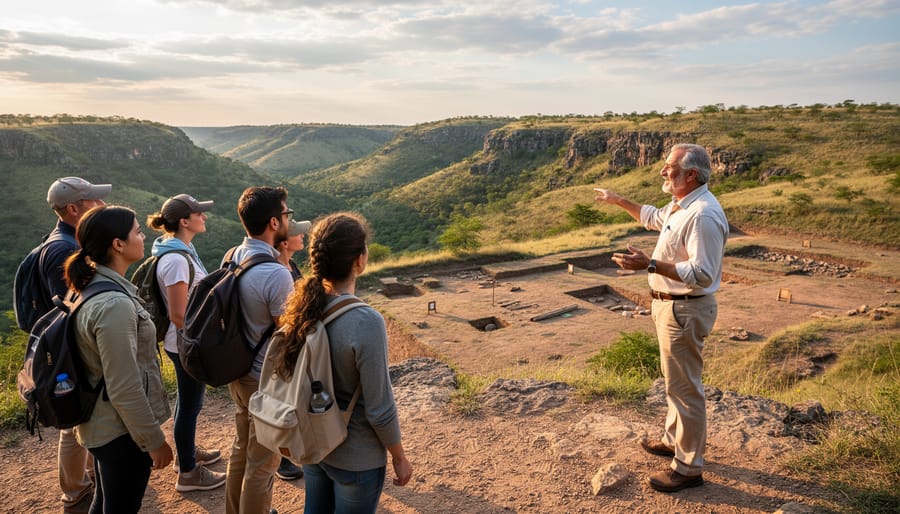
- Join the 2 PM guided archaeological walking tour departing from the museum. This 90-minute experience covers accessible excavation overlooks and interpreters explain stratigraphy visible in exposed bank sections.
- Late afternoon visit to the Williams Lake Indigenous Cultural Centre (4-6 PM) for their rotating exhibits on traditional technologies. Time your visit for their Friday evening storytelling sessions when available.
Overnight at the Drummond Lodge Historic Hotel, a 1912 building offering period charm with modern amenities. Request rooms in the original wing where furnishings reflect the town’s early settlement era.
Day Two: Regional Context and Comparative Sites
Drive 45 minutes north to the Xat’sull Heritage Village, an authentic pit house village reconstruction. The morning tour (departing 9:30 AM) demonstrates how archaeological evidence informs our understanding of seasonal habitation patterns. Compare these reconstructions with artifact evidence from Williams Lake excavations.
Pack a picnic lunch featuring items from the Saturday Farmers Market (open 8 AM-1 PM), where vendors offer smoked salmon, berry preserves, and traditional foods. Eat at Scout Island Nature Centre’s picnic area, a site of ongoing archaeological monitoring where recent finds mirror Williams Lake discoveries.
Afternoon journey to the nearby petroglyphs at Farwell Canyon (1.5 hours each way). These rock art sites provide cultural context for ceremonial objects recovered from Williams Lake. Unlike the well-documented Norse landing sites in eastern Canada, British Columbia’s archaeological record spans far deeper timescales with continuous occupation.
Day Three: Hands-On Learning
Reserve spots in the museum’s 10 AM lithic technology workshop, where participants learn pressure flaking techniques under supervision. Understanding stone tool manufacture transforms how you perceive display cases afterward.
Conclude with lunch at Gecko Tree Bistro, then browse the museum gift shop for authentic Indigenous artwork. Departure by 3 PM allows daylight driving if continuing to other Cariboo region destinations.
Book accommodations and workshop spots six weeks ahead during peak season. Most restaurants accept walk-ins except Friday evenings.
Expert Insights: Interview with Dr.
We sat down with Dr. Sarah Whitmore, a bioarchaeologist from Simon Fraser University who has spent the past eight seasons working at Williams Lake, to discuss what makes this site exceptional and where the research is headed.
What initially drew you to Williams Lake as an excavation site?
The convergence of factors here is remarkable. You have a lake system that’s been relatively stable for millennia, Indigenous oral histories pointing to sustained occupation, and these incredibly rich stratigraphic layers that act like a time machine. When we started test pits in 2014, we found cultural materials dating back 5,000 years within the first meter of excavation. That depth of continuous habitation in one location is rare in the Interior.
What discovery has surprised you most?
The lithic scatter we found in 2019 completely changed how we understood regional trade networks. We identified obsidian sourced from Mount Edziza, over 800 kilometers north, alongside locally quarried basalt. The technological sophistication required to work both materials, and the social connections implied by that obsidian’s presence, tells us these weren’t isolated communities. They were part of expansive exchange systems.
How does Williams Lake compare to other sites in British Columbia?
Most Interior sites show seasonal occupation patterns, people moving with resources. Williams Lake has evidence of year-round habitation spanning multiple cultural periods. The faunal assemblages show salmon runs being exploited in late summer, but we also see winter hunting patterns and spring root harvesting. That kind of settlement stability requires detailed ecological knowledge and sophisticated resource management.
What’s the biggest challenge in your current work?
Balancing excavation with preservation. Every time we dig, we’re destroying context even as we’re learning from it. We’re now using ground-penetrating radar and remote sensing to map subsurface features before deciding what to excavate. The technology lets us be strategic rather than opportunistic, which matters when you’re working with finite cultural resources.
Where is the research headed next?
We’re planning a three-year project focused on paleobotanical analysis. The preserved plant remains can tell us about climate shifts, vegetation changes, and how people adapted their subsistence strategies over millennia. We’re also developing a collaborative database with Secwépemc knowledge keepers to cross-reference archaeological patterns with traditional ecological knowledge. That integration is where the most exciting insights emerge.
The excavation findings at Williams Lake stand as powerful testimony to thousands of years of human ingenuity, adaptation, and cultural richness in British Columbia’s Cariboo region. These artifacts, from sophisticated stone tools to ceremonial objects and dietary remains, have fundamentally reshaped our understanding of Indigenous life, settlement patterns, and the deep connections between people and this landscape long before European contact.
What makes Williams Lake particularly significant isn’t just the breadth of discoveries, but how archaeological evidence weaves together with Secwépemc oral histories to create a fuller, more nuanced picture of the past. This collaboration between scientific inquiry and traditional knowledge demonstrates that understanding history requires multiple voices and perspectives working in concert.
The story of Williams Lake is far from complete. Ongoing excavations continue to reveal new layers of history, each season bringing fresh insights into how communities thrived in this region across millennia. Future research promises to deepen our appreciation of technological innovation, trade networks, and cultural practices that defined life here.
As you plan your visit to explore these discoveries, remember that archaeological sites are irreplaceable windows into our shared heritage. Approach them with the respect they deserve, these artifacts represent real people, real lives, and real communities. Whether you’re examining displays at the Museum of the Cariboo Chilcotin or joining a guided tour, you’re not just observing history. You’re connecting with a living legacy that continues to shape British Columbia today.

+ There are no comments
Add yours